Business Planning & Forecasting: How to Build Data-Driven Plans That Improve Decisions and Growth
Introduction: The Gap Between Vision and Execution
Every founder or CXO starts a financial year with a vision: bigger markets, stronger teams, expanded capacity, higher profitability.
But vision without forecasting leads to reactive decision-making: Firefighting. Last-minute budget shifts. Unclear priorities. Misalignment across departments.
The issue isn't ambition — it’s lack of a structured planning and forecasting system that connects strategy to numbers, numbers to decisions, and decisions to execution.
Business planning is not an annual ritual. It is a strategic operating system.
At Debox, we help businesses build planning and forecasting systems that operate like GPS — providing direction, clarity, and early warning signals.
Why Most Business Plans Fail in the Real World
Through years of consulting across industries, we find business planning fails due to five predictable reasons:
1. Plans Are Made “Top-Down” Without Cross-Team Input
Leadership sets goals. Teams agree. But operational realities are never considered.
This creates plans that look good on paper but break under execution.
2. Forecasts Are Based on Hope, Not Data
Companies often predict:
- Higher revenue
- Lower cost
- Faster sales cycles
Not because data supports it — but because leaders want it.
Hope is not a forecast.
3. No Scenario Planning
Most business plans assume a perfect year. But real-world businesses face:
- Demand fluctuations
- Pricing pressure
- Seasonality
- Competition
- Regulatory shifts
Without multiple scenarios, leaders cannot course-correct.
4. Plans Are Created Annually, Reviewed Passively
Planning is annual. Review is quarterly. Execution is daily.
This misalignment kills performance.
5. Lack of Tracking Mechanisms
Even the best plans fail if:
- KPIs aren’t updated
- Trends aren’t analysed
- Risks aren’t flagged
- Budgets aren’t corrected
Plans die in silence when tracking doesn’t exist.
The Debox Way: Planning That Drives Action
Debox goes beyond traditional consulting. We don’t deliver documents — we build planning + execution systems.
Here’s what makes our approach different:
1. Co-Creation Through Leadership + Team Workshops
We work with leaders and teams to build plans together:
- Strategic priorities
- Market opportunities
- Capacity constraints
- Operational realities
This ensures the plan is realistic and executable.
2. Real Forecasting Based on Real Data
We analyse:
- Historical performance
- Seasonality patterns
- Capacity constraints
- Lead-to-revenue conversion
- Customer churn
- Sales cycle velocity
- Cost inflation projections
Forecasts become mathematical, not emotional.
3. Scenario Modelling: Base, Stretch & Stress
We create:
- Base Case (likely outcome)
- Stretch Case (optimistic scenario)
- Stress Case (downturn scenario)
This gives leadership the ability to anticipate and respond, not react.
4. Goal Cascading Into Departments & Functions
Revenue targets cascade into:
- Marketing acquisition goals
- Sales KPIs
- Operations capacity
- Hiring plans
- Financial controls
Every number is owned.
5. Monthly Tracking & Review Rhythm
Debox sets up:
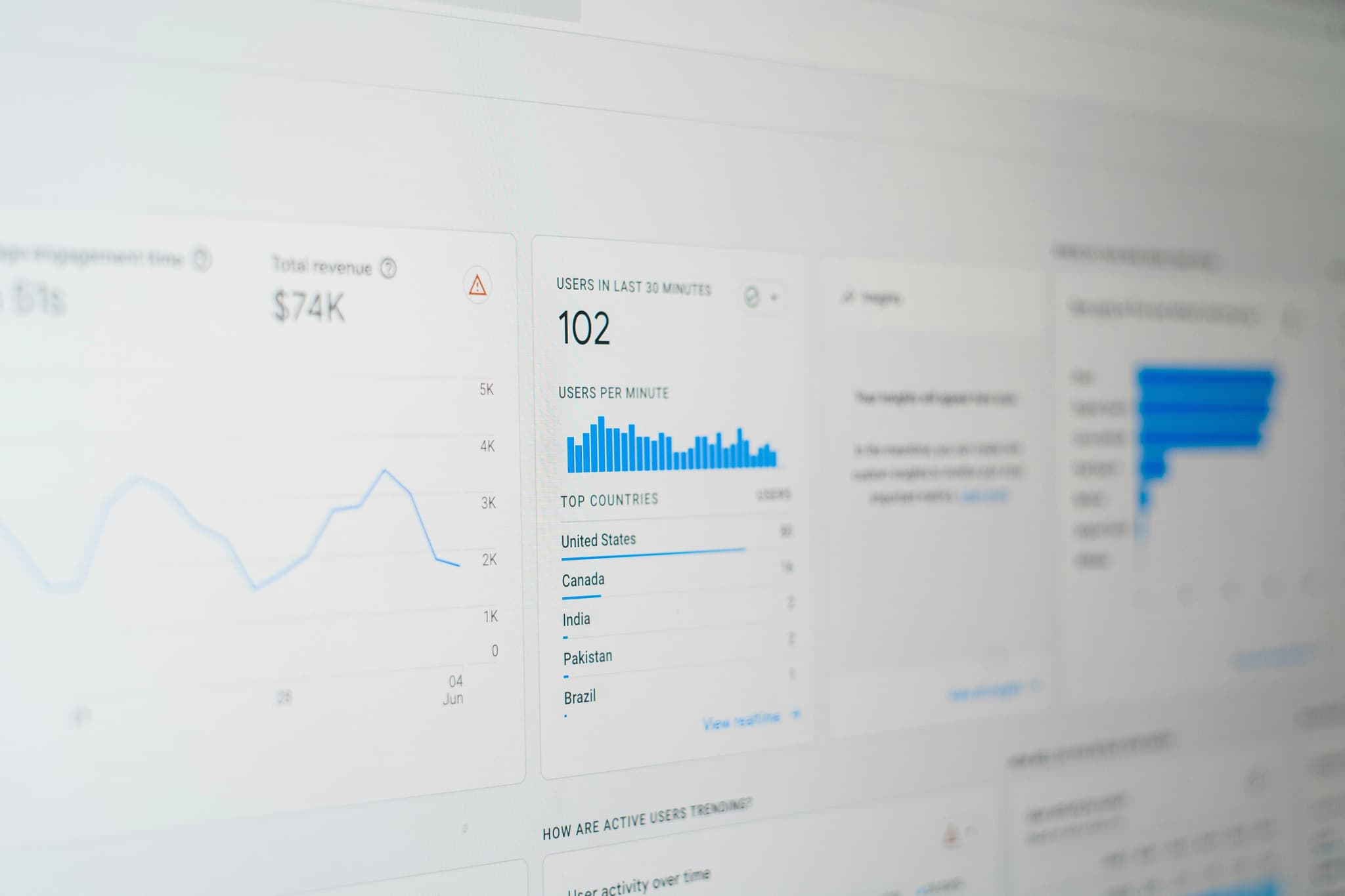
- Forecast dashboards
- Budget variance alerts
- KPI tracking sheets
- Early warning indicators
We stay engaged to ensure forecasting becomes a habit, not a document.
What High-Performance Planning Delivers
- Faster decisions due to data clarity
- Higher predictability in outcomes
- Better resource allocation
- Aligned teams focused on shared goals
- Smarter budgeting
- Early detection of risks
Planning stops being annual — it becomes operational.
Case Study: Regional Retail Chain
A multi-city retail chain struggled with unpredictable sales and unplanned expenses.
Debox restructured their planning engine:
- Category-level forecasting
- City-level demand modelling
- Headcount planning
- Cost-budget integration
- Dashboards for monthly review
Results within 6 months:
- Revenue forecasting accuracy improved from 48% to 92%
- Operating cost reduced by 14%
- Inventory decisions became data-driven
- Annual budgeting time dropped from 8 weeks to 2 weeks