Introduction: Your Space Is Not Just a Place — It Is a Silent Salesperson
Whether you run a:
- restaurant
- café
- retail outlet
- clinic
- boutique
- service center
- experience hub
- office
…the physical environment influences how customers think, feel, behave, and buy.
Most founders treat interiors as:
- a one-time project
- a design decision
- an aesthetic exercise
- a décor upgrade
- a “looks good” initiative
But the truth is:
Interior & Space Design is business strategy.
A well-designed space:
- improves conversions
- increases customer comfort
- reduces friction
- improves workflow
- enhances brand recall
- shapes emotions
- increases repeat visits
- improves staff efficiency
- reinforces identity
- influences pricing perception
Your environment communicates your brand before your staff ever speaks.
At Debox, we design spaces that are functional, psychological, operational, and revenue-driven — not just visually attractive.
Why Most Interior Designs Fail (Even If They Look Instagrammable)
Most interior spaces fail because they prioritize aesthetics over logic.
We’ve seen this repeatedly across India, USA, and UAE.
Here’s why:
1. Interiors Are Designed Without Understanding the Business
Designers often focus on:
- colour trends
- lighting trends
- décor styles
- furniture aesthetics
- Instagram-worthiness
But neglect:
- brand positioning
- customer behavior patterns
- category expectations
- operational flow
- staff movement
- peak-hour load
- menu/item complexity (for F&B)
- visual merchandising opportunities (retail)
- comfort psychology
- acoustics
- ergonomics
A beautiful space that doesn’t support business performance is a liability.
2. Customer Psychology Is Ignored
Customers decide subconsciously based on:
- first impressions
- seating comfort
- color temperature
- lighting mood
- scent
- space layout
- noise levels
- footpath flow
- ordering visibility
- accessibility
- hygiene cues
A good-looking space can still feel uncomfortable.
Your interiors must be designed for behaviour, not just aesthetics.
3. No Flow or Functional Logic
Designers often create layouts that:
- look symmetrical
- look premium
- follow design trends
…but don’t consider:
- movement paths
- bottlenecks
- queue management
- ordering flow
- service counters
- staff circulation
- customer comfort zones
- child-friendly or elderly-friendly flow
- table turnover cycles
- operational friction points
A visually beautiful space can destroy operational efficiency.
4. No Alignment Between Brand Identity & Space Experience
If your brand claims:
- premium
- modern
- youthful
- traditional
- eco-friendly
- luxurious
- minimal
- vibrant
…the space must reflect it.
Inconsistency between visual identity and physical environment weakens trust.
5. No Consideration For Scalability & Maintenance
A common problem:
- high-maintenance materials
- fragile décor
- fingerprint-prone surfaces
- expensive upkeep
- lighting that heats up
- layouts that cannot scale
- elements that break easily
Operational cost increases. Experience quality deteriorates over time.
This becomes expensive and unsustainable.
The Debox Way: Interior & Space Design That Balances Psychology, Functionality & Brand Experience
Debox approaches space design through a consulting lens — deeply strategic, operationally sound, psychological, and brand-led.
Our methodology blends:
- customer experience design
- spatial flow psychology
- brand identity expression
- operational efficiency
- functional design
- ergonomics
- environmental cues
- business strategy
Here’s how we build spaces that perform.
1. Start With Business & Brand Strategy
We first understand:
- category
- customer segments
- brand positioning
- pricing strategy
- experience promise
- product/service complexity
- operational model
- revenue drivers
- long-term scalability
The space is then designed to support and amplify these drivers.
2. Customer Psychology & Behaviour Mapping
We analyze:
- average dwell time
- comfort triggers
- environmental cues
- stress points
- attention flow
- ordering psychology
- sensory triggers
- seating preferences
- impulse behavior
- decision-making patterns
Different categories require different psychological environments.
For example:
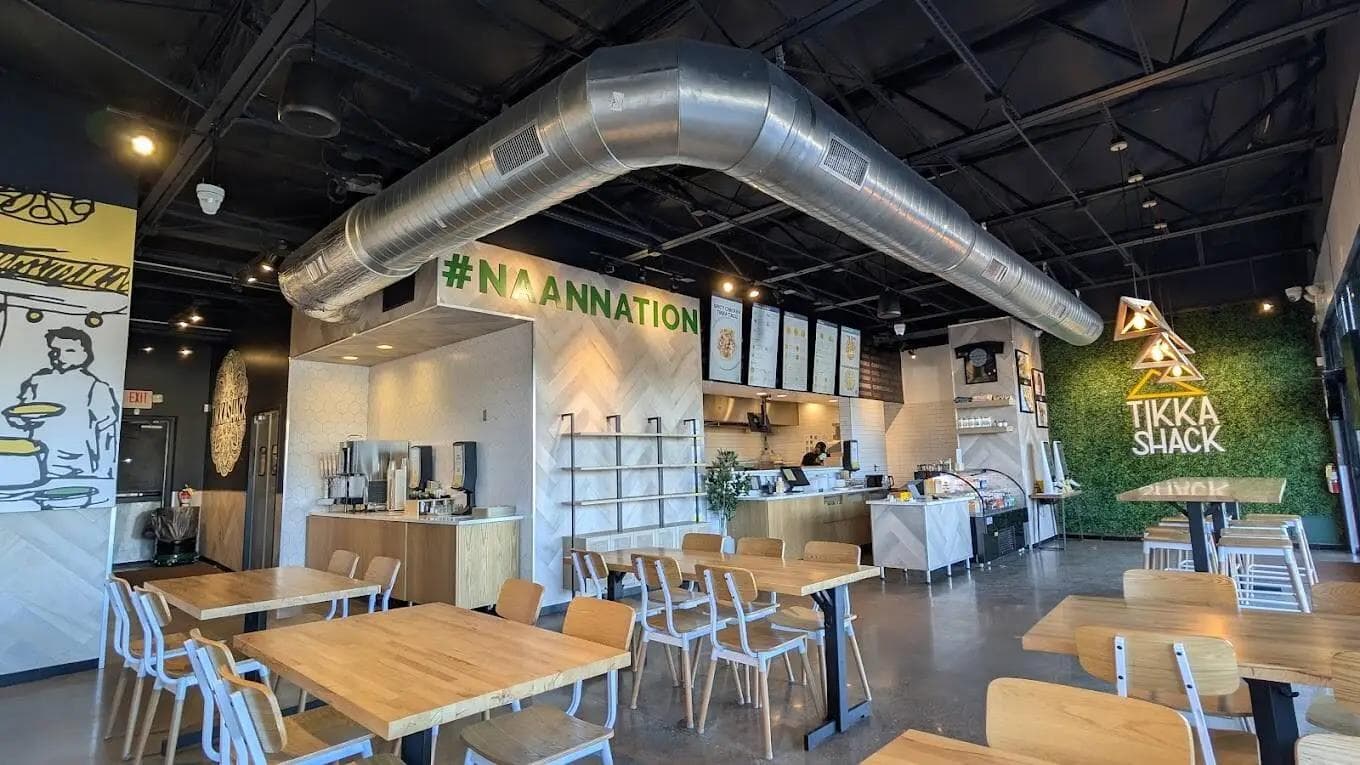
Restaurants (F&B)
- warm lighting → appetite
- comfortable seating → dwell time
- visual cues → ordering
Retail
- high-visibility shelves → discovery
- lighting contrast → premium cues
- walk-path flow → impulse buying
Clinics / Wellness
- soft tones → calm
- clean minimalism → trust
- privacy cues → comfort
Space must reflect the emotion customers should feel.
3. Functional Layout & Flow Design
We design spaces for:
- smooth customer movement
- efficient staff movement
- minimal bottlenecks
- intelligent zoning
- capacity optimization
- queue management
- intuitive wayfinding
- universal accessibility
A great space is not one that looks good — it’s one that feels effortless to navigate.
4. Visual Identity Integration
We integrate:
- colour psychology
- brand motifs
- typography-inspired elements
- signage language
- lighting logic
- material palette
- brand patterns
- photo-worthy zones
The space becomes an extension of the brand — instantly recognizable.
5. Material & Lighting Strategy
We design with:
Material Logic
- durability
- finish quality
- maintenance ease
- cost-effectiveness
- sustainability
Lighting Architecture
- layering (ambient, accent, functional)
- colour temperature
- brightness zoning
- mood setting
- premiumization cues
Lighting is one of the biggest drivers of perceived quality.
6. Experience Touchpoints
We design emotional details:
- entry experience
- sensory triggers
- signature corners
- photogenic spots
- menu/merch display logic
- service touchpoints
- checkout experience
- hygiene cues
These moments build memory and customer delight.
7. Operational Design Integration
We ensure seamless operations:
- kitchen/service layout (F&B)
- stock movement
- back-of-house design
- storage optimization
- staff stations
- internal workflows
Operational logic = consistent customer experience.
Case Study 1: Restaurant Chain – USA
Challenge:
- inconsistent interiors across outlets
- cluttered layouts
- high operational friction
- weak brand feel
Debox redesigned:
- complete spatial flow
- seating strategy
- lighting logic
- brand-integrated interiors
- menu visibility points
Outcome:
- table turnover improved 28%
- customer comfort improved 44%
- online reviews improved
- higher perceived premium value
Space design directly improved revenue.
Case Study 2: Retail Brand – India
Challenge:
- low shelf impact
- confusing customer movement
- poor impulse buying
- inconsistent brand expression
Debox delivered:
- new spatial layout
- branded zones
- improved VM logic
- enhanced lighting
- optimized customer flow
Outcome:
- sales increased 32%
- average basket value grew
- buyer satisfaction increased significantly
Great space = great business.
Conclusion: Interior Design Is Not Decoration — It Is Business Engineering
A powerful space:
- elevates perception
- increases revenue
- builds trust
- improves experience
- enhances operational flow
- strengthens brand positioning
- increases repeat visits
- drives customer comfort
- creates memorable moments
- sets you apart from competitors
Debox creates environments that are:
- visually beautiful
- strategically aligned
- psychologically engineered
- operationally optimized
- brand-consistent
- scalable
Because great spaces don’t just look good. They perform.