Introduction: Packaging Is Not Decoration — It Is a Business Lever
When most companies think of packaging, they think of:
- colours
- shapes
- materials
- labels
- visuals
- branding elements
But for any founder or CXO looking to scale, packaging is far more important than aesthetics.
Packaging influences:
- how your brand is perceived
- whether your product feels premium or generic
- how much customers are willing to pay
- whether they trust your quality
- how often they reorder
- whether they feel emotionally connected
- how easily they recall your brand
- whether they recommend it to others
Packaging is not the final step of brand execution. It is the first moment of truth — the moment customers decide if your product deserves their attention, money, and trust.
And in categories like F&B, retail, D2C, FMCG, wellness, personal care, gifting, and luxury — packaging is the brand.
At Debox, we design packaging systems that shape perception, influence psychology, and drive repeat purchase.
Why Most Packaging Fails (Even When It Looks Good)
After working across industries in India, USA, and Dubai, we've consistently seen that packaging fails for the same reasons:
1. Packaging Is Treated as a Design Project, Not a Strategic Asset
Most companies brief designers like this:
- "Make it look premium."
- "Use bold colours."
- "We want minimal style."
- "Need something modern."
But packaging is not driven by visual trends. It must be driven by:
- the category
- the consumer
- the price point
- the shelf environment
- the competition
- the emotional triggers
- the product's promise
- the buying context
Design without strategy only creates decoration. Strategy-led packaging creates conversion.
2. No Understanding of Consumer Psychology
Packaging influences how people think:
- colours create emotions
- shapes influence trust
- textures signal quality
- typography drives perception
- layout influences recognition
- material drives perceived value
If packaging doesn't align with consumers' subconscious expectations, it creates friction.
Debox designs packaging that speaks to the customer's brain, not the company's preferences.
3. Packaging Is Disconnected From Brand Positioning
A brand may claim:
- premium
- eco-friendly
- scientific
- handcrafted
- family tradition
- performance-focused
But if the packaging doesn't reflect that, the claim dies.
Packaging must express your positioning visually and emotionally.
4. No Competitive Differentiation
On shelves — digital or physical — customers see dozens of alternatives.
If your packaging:
- blends into the shelf
- looks similar to competitors
- doesn't communicate differentiation
- doesn't stand out in 2 seconds
…your product loses the battle before it begins.
5. Messaging Is Weak or Confused
Most packaging fails because:
- information hierarchy is unclear
- benefits are not highlighted
- product promise is missing
- claims are generic
- value is not immediately obvious
- trust signals are absent
Packaging isn't a canvas. It's a micro sales pitch.
6. No Alignment With Product, Price, or Target Audience
Packaging must justify:
- the price
- the product story
- the customer's expectations
- the category standards
Mismatch kills conversions.
Example: A ₹799 premium skincare product cannot have mass-market packaging. A $15 burger cannot come in flimsy packaging. A high-end gift box cannot look like a D2C parcel.
Packaging must match what the product promises.
The Debox Way: Packaging that Performs, Converts & Elevates
Debox approaches packaging the same way it approaches branding — with deep thinking, business alignment, customer psychology, and execution precision.
We don't design packaging. We engineer it.
1. Category & Consumer Analysis
We study:
- target segments
- buying motivations
- lifestyle cues
- emotional triggers
- shelf psychology
- delivery experience
- cultural preferences
- premiumization expectations
- competitive benchmarks
This ensures the packaging reflects what customers trust, not what designers assume.
2. Define Packaging Role in Business Strategy
Different businesses need packaging for different roles:
A. Shelf Impact (Retail / FMCG)
- Standout factor
- Colour dominance
- Recall triggers
B. Unboxing Experience (D2C / Gifting)
- Emotional cues
- Premium feel
- Shareability
C. Functionality (Food, Restaurants, QSR)
- Heat retention
- Durability
- Clean presentation
- Stackability
D. Trust & Compliance (Health, Pharma, Wellness)
- Authority cues
- Scientific tone
- Safety indicators
E. Luxury Experience (Jewellery, Wellness, Boutique Brands)
- Texture
- Minimalist sophistication
- Weight & material cues
Packaging must serve your business model, not just your visual identity.
3. Build Messaging Architecture
Debox defines:
- primary promise
- category differentiator
- benefit hierarchy
- micro-copy usage guidance
- credibility markers
- brand story snippets
- trust icons
- certification layout
- value anchors
Packaging has limited space — so clarity matters more than creativity.
4. Visual Identity Execution
We design:
- colour psychology
- typography tone
- layout balance
- grid structure
- iconography
- graphical patterns
- brand motif integration
- whitespace dynamics
- photo/illustration style
This ensures packaging communicates:
- premium
- modern
- trustworthy
- vibrant
- minimal
- sustainable
- luxurious
…depending on the strategic need.
5. Material, Form & Functional Engineering
Debox works with production partners to define:
- material choice
- print finish
- textures
- foiling
- lamination
- embossing
- die-cuts
- sustainability options
Design should be practical, affordable, scalable, and manufacturable.
6. Prototype Testing & Market Validation
We test prototypes for:
- shelf pop-out
- user handling
- durability
- real-world lighting
- printing limitations
- cultural fit
- spill resistance (F&B)
- size optimization
Packaging should not only look good — it must perform in real scenarios.
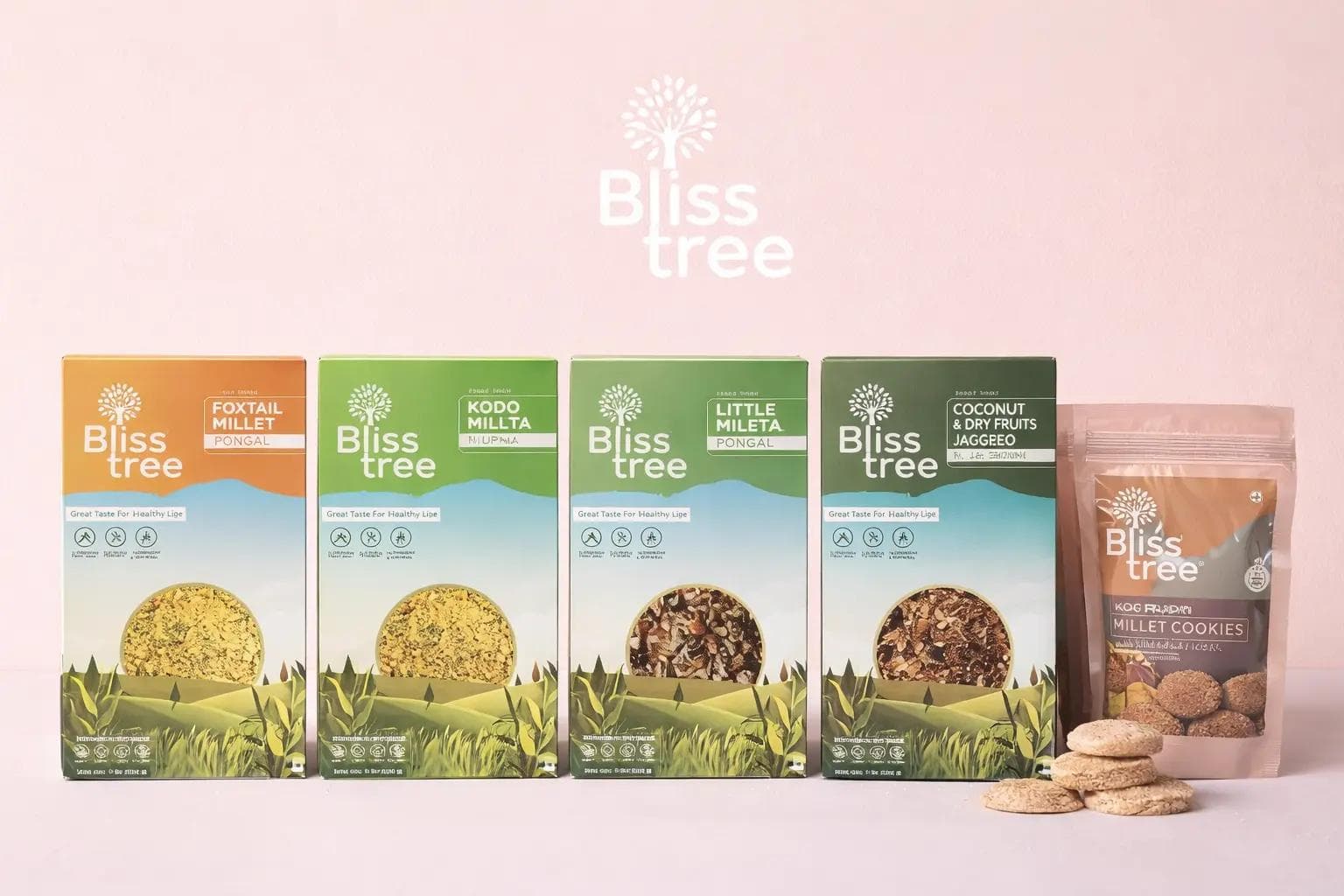
Case Study 1: Retail Food Brand (India)
Challenge:
- Packaging looked mass-market
- Product was premium
- Pricing wasn't justified
- Shelf recall was weak
Debox redesigned:
- packaging structure
- colour palette
- messaging hierarchy
- category cues
- premium motifs
Outcome:
- In-store conversions increased 44%
- Online add-to-cart increased 31%
- Customers perceived the brand as premium
- Retailers gave better shelf placement
Packaging elevated business positioning.
Case Study 2: Restaurant Chain (USA)
Challenge:
- inconsistent packaging across outlets
- poor durability
- brand recall issues
- low-quality feel
Debox created:
- unified packaging system
- objective-based material selection
- stronger visual hierarchy
- premium brand cues
- takeout experience design
Outcome:
- customer satisfaction improved 34%
- repeat orders increased
- brand loyalty strengthened
- food quality retention improved
Packaging became a competitive advantage.
Conclusion: Packaging Doesn't Just Hold the Product — It Holds the Brand
Great packaging:
- increases sales
- improves perception
- creates premiumization
- enhances unboxing
- strengthens trust
- drives repeat purchase
- improves brand recall
- influences impulse buying
- increases willingness to pay
- reinforces positioning
Packaging is not artwork. It is psychology + strategy + design + engineering.
At Debox, we build packaging systems that elevate the brand, improve conversion, and create experiences customers remember.
Because packaging is not an expense — it is a high-ROI business asset.